
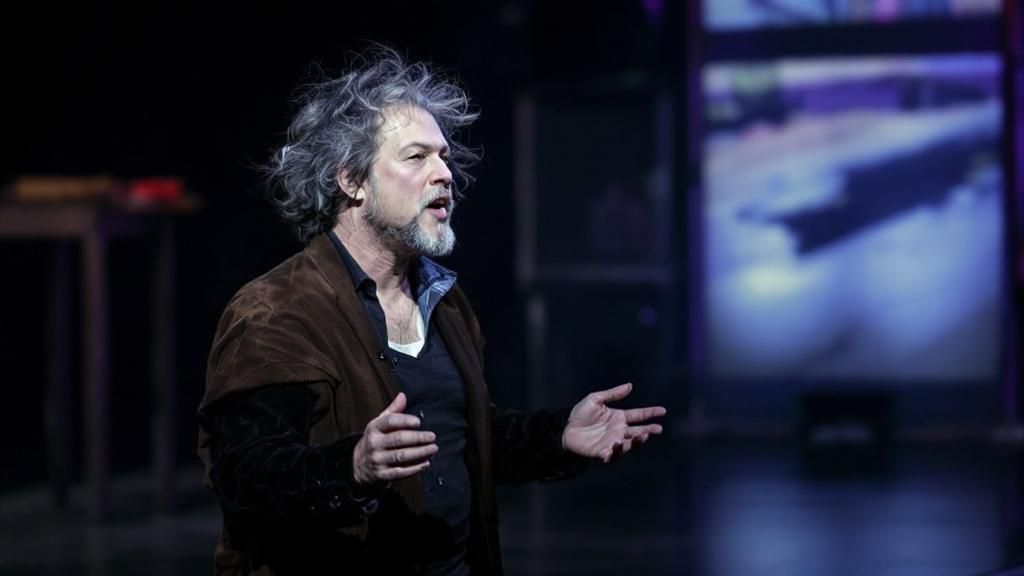
The National Theatre has introduced an ambitious new programme intended to broaden participation in classical drama across the United Kingdom. This pioneering initiative seeks to bring world-class theatrical productions to communities far beyond London’s West End, guaranteeing that audiences in rural and underserved regions can encounter Shakespeare, Chekhov, and modern adaptations of timeless classics. Through creative touring programmes, virtual mediums, and collaborative partnerships, the theatre is significantly transforming how Britain interacts with dramatic literature, establishing high-quality performances an entitlement rather than a privilege.
Making Theatre Accessible to Outstanding Theatre
The National Theatre’s scheme marks a pivotal shift in how period plays engages viewers throughout the United Kingdom. By overcoming distance limitations and budgetary limitations, the scheme ensures that groups in rural areas and economically disadvantaged regions can enjoy performances traditionally limited to London’s premier institutions. This focus on inclusion embodies a basic principle that artistic merit should not be dependent on location or disposable income, but rather shared fairly between all people independent of their backgrounds.
Through strategic partnerships with regional theatre venues, schools and universities, and arts bodies in local areas, the National Theatre is establishing long-term routes for engagement with classical works. The programme includes productions on tour, subsidised ticket schemes, and locally-driven versions that foster local engagement and cultural investment. By developing these collaborative ties, the theatre transforms from a London-focused venue into a distributed network of artistic quality, ensuring that the life-changing influence of drama becomes genuinely accessible to theatre-goers across the country.
Technological Innovation and Community Partnerships
The National Theatre’s plan relies on advanced digital solutions to extend its reach nationwide. By utilising streaming services and online productions, the institution allows real-time access to theatrical works for audiences who cannot visit physically. This technical systems makes culture more accessible, letting people from Cornwall to the Scottish Highlands to enjoy high-quality theatre from home. The initiative also features engaging online tools, instructional content, and behind-the-scenes content, deepening the theatre experience beyond conventional live theatre and building stronger connections with traditional theatrical works.
Equally significant are the partnership arrangements developed between theatre venues across regions, council bodies, and community groups across the United Kingdom. These collaborations enable productions resonate with diverse audiences whilst strengthening community cultural foundations. The National Theatre offers funding, expertise, and artistic direction to partner venues, building sustainable cultural ecosystems in communities lacking cultural investment. By collaborating with regional bodies rather than imposing metropolitan standards, the initiative respects local distinctiveness whilst maintaining artistic excellence. This cooperative structure converts classical drama into a genuinely nationwide endeavour, embedding theatrical culture within communities and creating lasting cultural legacies.
Effects and Forward-Looking Strategy
The initiative’s effect goes well past mere attendance figures, substantially reshaping cultural involvement throughout the country. Theatre organisations across regions document unprecedented engagement levels, with theatre-goers uncovering fresh appreciation for traditional theatre pieces previously deemed inaccessible. Regions without theatrical infrastructure now enjoy theatrical productions, educational workshops, and insider perspectives. This democratisation cultivates a more inclusive cultural landscape, inspiring younger generations to participate in dramatic literature as a vital part of their education and personal development.
Looking ahead, the National Theatre envisions continued development of this pioneering programme throughout the following decade. Planned capital allocation in online platforms promise to broaden reach, allowing simultaneous broadcasts and direct access to archived productions. Working relationships with educational institutions will embed period plays within school curricula, fostering lifelong appreciation for drama and theatre. The programme represents a significant milestone, setting the idea that outstanding theatre productions constitute a fundamental cultural right rather than an exclusive London-based privilege.
As this transformative initiative continues evolving, its success fundamentally relies on ongoing financial support, audience involvement, and strategic alliances. The National Theatre remains committed to evaluating effectiveness through public response, visitor numbers, and educational outcomes, guaranteeing responsibility and sustained enhancement. This groundbreaking programme represents a significant change in British society’s cultural outlook, establishing that classical drama is for everyone.
